
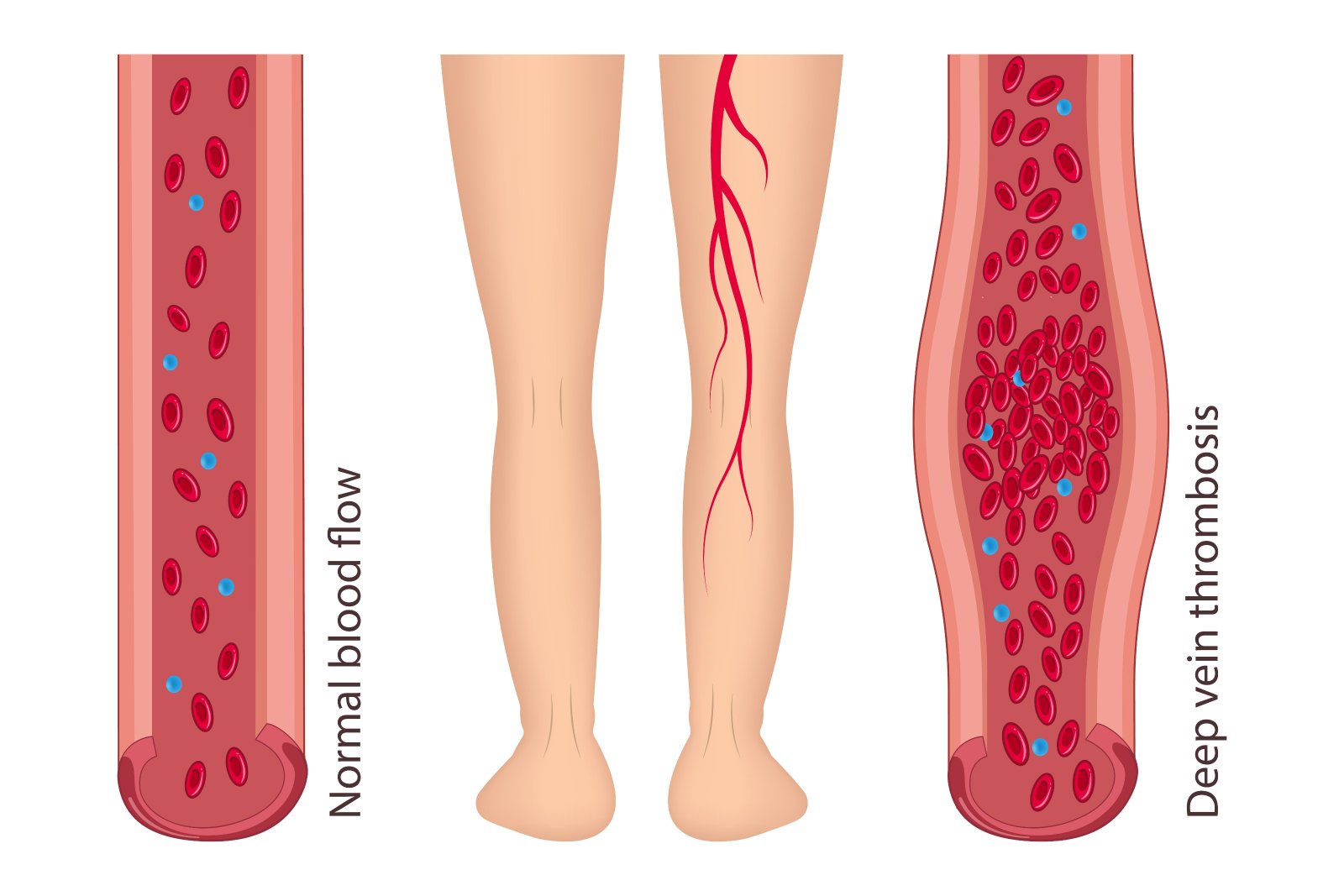
What is Deep Vein Thrombosis?
Deep Vein Thrombosis, or DVT, is a blood clot that forms in a deep vein. Most often, it happens in the legs. However, it can also occur in other parts of the body. DVT is a serious condition. If the clot breaks loose, it can travel to the lungs. This can cause a life-threatening problem called a pulmonary embolism. Because of this risk, knowing the signs of deep vein thrombosis is very important.
Why Recognizing DVT Symptoms Matters
Early detection of DVT can save lives. If you spot DVT symptoms quickly, you can get treatment sooner. This lowers the risk of serious problems. In fact, the Centers for Disease Control and Prevention (CDC) notes that DVT affects hundreds of thousands of people each year. Yet, many people do not know the warning signs. Therefore, learning how to recognize DVT is key for your health and safety.
Common Symptoms of Deep Vein Thrombosis
Sometimes, DVT does not cause any symptoms. But often, there are warning signs you can watch for. For example, you may notice changes in your leg. Below are the most common DVT symptoms:
Additionally, the pain may get worse when you walk or stand. Sometimes, the symptoms are mild. But even mild symptoms should not be ignored. If you notice any of these signs of deep vein thrombosis, it is important to act quickly.
When to Seek Medical Help
Although some symptoms may seem minor, DVT can become dangerous fast. If you have any signs of DVT, contact your doctor right away. However, if you also have chest pain, trouble breathing, or cough up blood, call emergency services immediately. These could be signs that the clot has moved to your lungs. Quick action can make a big difference in your recovery.
Prevention Tips for DVT
While DVT can happen to anyone, there are steps you can take to lower your risk. For instance, staying active helps keep your blood moving. Here are some simple tips to help prevent DVT:
Furthermore, if you have surgery or are on bed rest, ask your doctor about ways to prevent DVT. Sometimes, they may suggest special stockings or medicine to help.
In summary, knowing how to recognize DVT symptoms can help you stay safe. If you notice any symptoms of Deep Vein Thrombosis, consult a healthcare specialist promptly for personalized advice.