
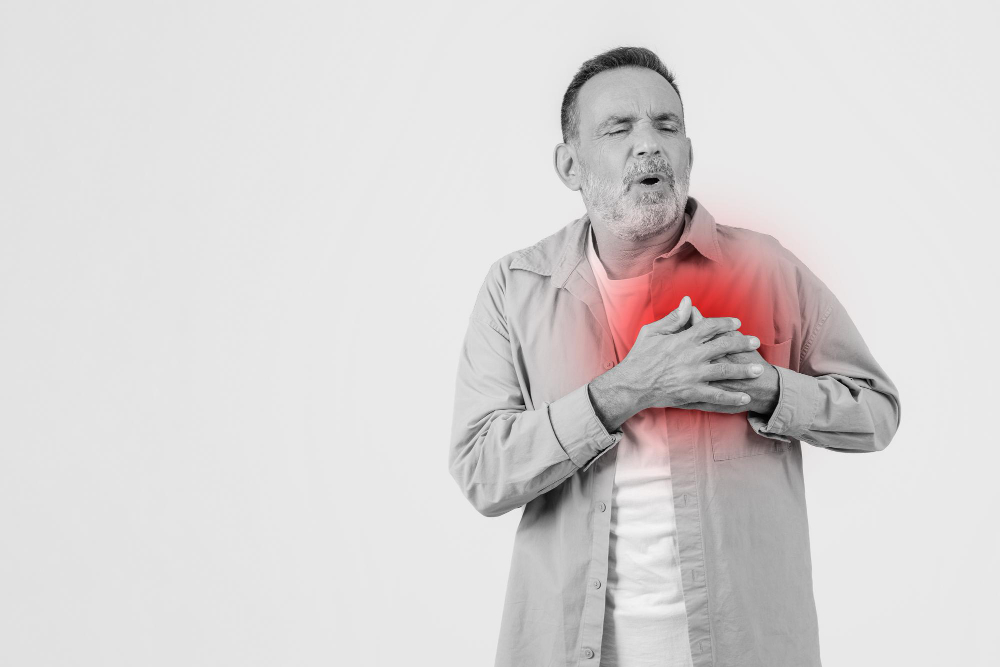
What is Stable Angina?
Stable angina is a type of chest pain that happens when your heart does not get enough oxygen-rich blood. Usually, this pain starts during physical activity or stress. However, it often goes away with rest or medicine. Stable angina is a common heart problem. According to the World Health Organization, heart disease is a leading cause of illness worldwide. Because stable angina can signal heart trouble, it is important to know what it means.
Causes of Stable Angina
Stable angina happens when the blood flow to your heart is reduced. Most often, this is due to narrowed arteries. These arteries can become blocked by a buildup of fat, cholesterol, or other substances. This buildup is called plaque. As a result, your heart works harder to pump blood, especially during exercise or stress. Over time, this can lead to chest pain.
Because these causes are common, many people are at risk. But you can lower your risk by making healthy choices.
Common Symptoms of Stable Angina
It is important to know stable angina symptoms. Most people feel chest pain or discomfort. This pain often feels like pressure, squeezing, or fullness. Sometimes, the pain spreads to your arms, neck, jaw, or back. Usually, the pain starts with activity and stops with rest. However, symptoms can vary from person to person.
Because these symptoms can be mild, some people may not notice them right away. But it is important to pay attention to any new or unusual chest pain.
When to Seek Medical Help
Although stable angina is usually not life-threatening, it can be a warning sign. If you notice chest pain that is new, lasts longer, or feels worse than usual, seek help right away. Sometimes, chest pain can signal a heart attack. For example, if the pain does not go away with rest or medicine, call emergency services. Also, if you have trouble breathing, feel faint, or break out in a cold sweat, get help fast.
Because quick action can save lives, do not wait if you are unsure. It is always better to be safe.
Prevention and Lifestyle Tips
Even though stable angina is serious, you can lower your risk. Making healthy changes can help your heart work better. For example, eating a balanced diet and staying active are key steps. In addition, quitting smoking and managing stress can make a big difference. Here are some tips to help you stay healthy:
Because small changes add up, start with one or two tips and build from there. Over time, these habits can help prevent stable angina and other heart problems.
Consult a cardiologist for personalized advice if you experience symptoms of stable angina.