
Hyperlipidemia means having high levels of fats, like cholesterol, in your blood. Many people do not know they have it. However, it can raise your risk for heart disease and stroke. That is why it is important to learn how to prevent hyperlipidemia. With simple changes, you can protect your heart and stay healthy.
What is Hyperlipidemia?
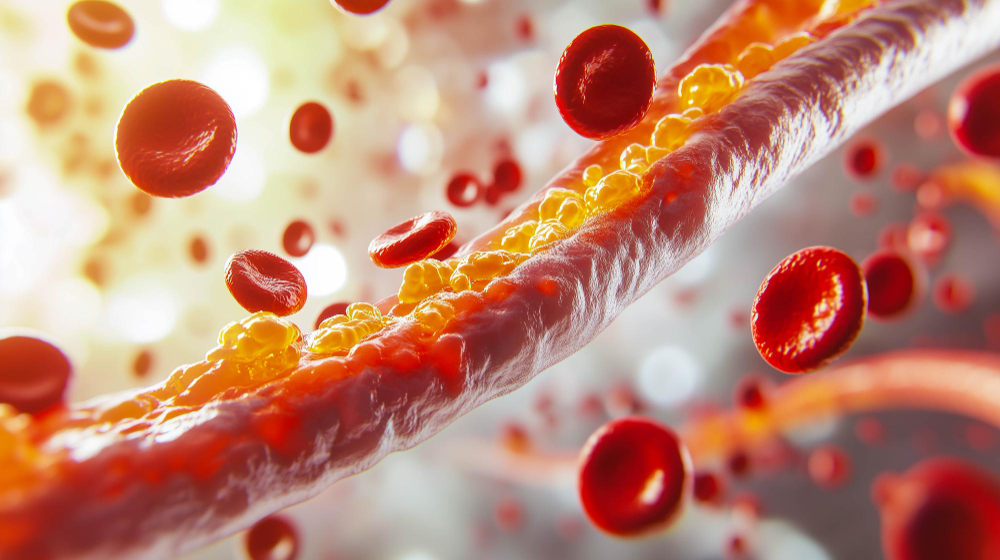
Hyperlipidemia happens when your blood has too much fat. These fats include cholesterol and triglycerides. Often, you may not feel any symptoms. But over time, these fats can build up in your blood vessels. As a result, your heart and brain may not get enough blood. This can lead to serious problems, such as heart attacks or strokes.
Why Preventing Hyperlipidemia Matters
Preventing hyperlipidemia is important for everyone. When you keep your blood fats in a healthy range, your heart works better. In addition, you lower your risk for heart disease and stroke. Even if you feel fine, high cholesterol can harm your body slowly. Therefore, taking steps early can make a big difference in your long-term health.
Top Tips to Prevent Hyperlipidemia
There are many ways to lower your risk. Try these heart-healthy habits and lifestyle changes for hyperlipidemia:
Risk Factors and Causes
Some people are more likely to get hyperlipidemia. For example, your risk goes up if you:
Even though you cannot change your family history, you can control many other risk factors. Making healthy choices every day helps prevent high cholesterol.
When to See a Cardiologist
Sometimes, lifestyle changes are not enough. If your cholesterol stays high, or if you have other heart risks, you should see a cardiologist. For example, if you have chest pain, shortness of breath, or a strong family history of heart disease, do not wait. A cardiologist can check your heart and suggest the best treatment. In some cases, you may need medicine or special procedures to lower your cholesterol.
Frequently Asked Questions about Hyperlipidemia Prevention
Conclusion and Call-to-Action
In summary, you can prevent hyperlipidemia by making simple changes to your daily habits. Eating well, staying active, and getting regular check-ups all help protect your heart. If you have concerns or risks, do not wait. Consult a cardiologist for personalized advice on preventing hyperlipidemia.