
Introduction
Coronary artery disease is a common heart problem that affects millions of people worldwide. In fact, it is a leading cause of death, according to the World Health Organization (WHO). Early detection and treatment for coronary artery disease can help you live a longer, healthier life. In this blog, you will learn about heart disease symptoms, CAD diagnosis, and ways to manage and prevent this condition.
What is Coronary Artery Disease?
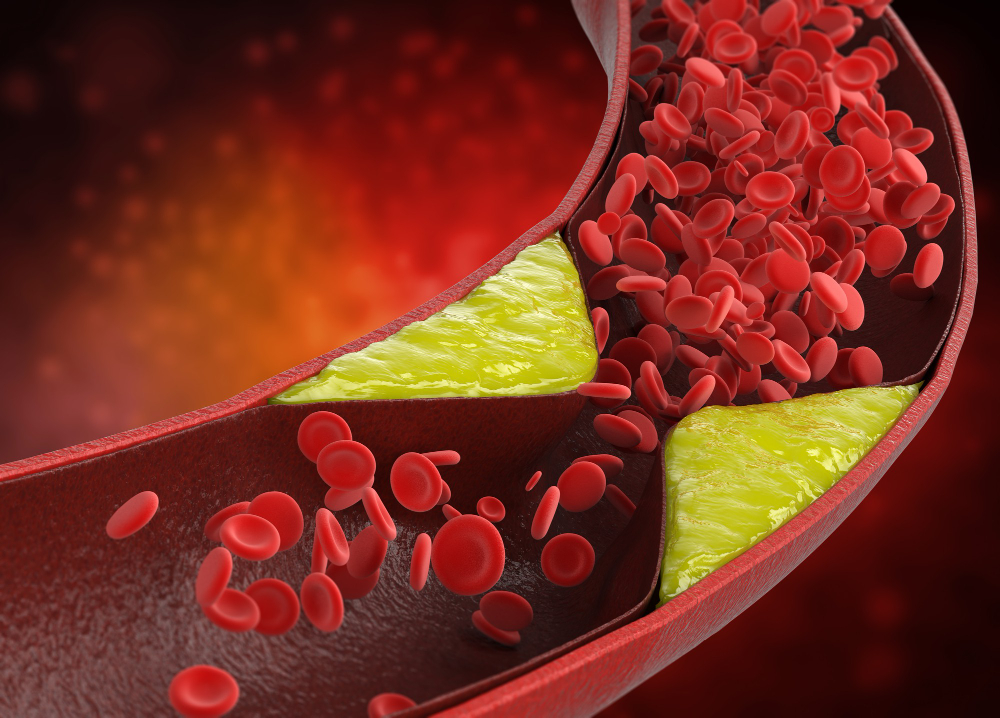
Coronary artery disease, or CAD, happens when the blood vessels that supply your heart become narrow or blocked. As a result, your heart gets less oxygen-rich blood. Over time, this can lead to chest pain, heart attacks, or other serious problems. Most often, CAD develops slowly over many years. However, symptoms can appear suddenly if a blockage becomes severe.
Common Symptoms
Many people do not notice symptoms in the early stages. Still, as the disease progresses, you may experience:
Sometimes, a heart attack is the first sign of coronary artery disease. Therefore, it is important to know these symptoms and seek help if they occur.
Main Causes and Risk Factors
Coronary artery disease usually develops because of a buildup of fatty deposits, called plaque, inside the arteries. Over time, this buildup makes it harder for blood to flow. Several factors can increase your risk, such as:
Because some risk factors can be controlled, making healthy choices is important.
Diagnosis Methods
Doctors use several tests to diagnose coronary artery disease. First, your doctor will ask about your symptoms and medical history. Then, they may recommend:
With these tests, your doctor can find out if you have CAD and how severe it is.
Treatment Options
Treatment for coronary artery disease depends on how serious your condition is. Often, doctors suggest a mix of lifestyle changes, medicines, and sometimes procedures. Let’s look at each option:
Lifestyle Changes
Medications
Doctors may prescribe medicines to:
Always take your medicines as directed and talk to your doctor about side effects.
Procedures
These procedures can improve blood flow and reduce symptoms. However, they do not cure the disease, so healthy habits remain important.
Prevention Tips
Although you cannot change some risk factors, you can lower your chances of developing CAD by:
Even small changes can make a big difference over time.
When to See a Doctor
If you notice chest pain, shortness of breath, or other heart disease symptoms, seek medical help right away. Early diagnosis and treatment for coronary artery disease can prevent serious problems. In addition, regular checkups help catch issues before they become severe.
For personalized advice on coronary artery disease, consult a cardiologist. Your doctor can help you find the best plan for your heart health.